

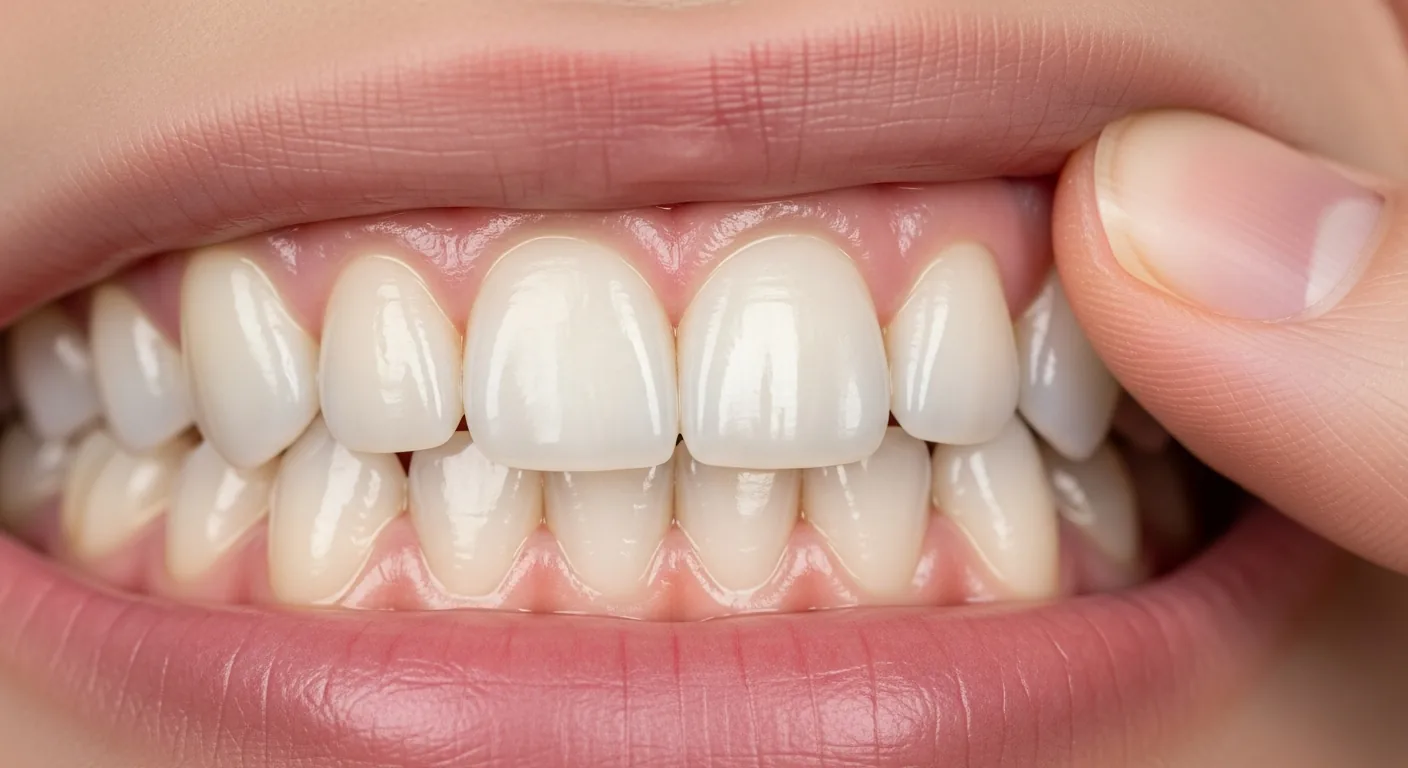
Preserving Gums and Jawbone in the Long Term

Untreated gum inflammation (gingivitis) can develop into periodontitis, in which the jawbone is also affected. Left untreated, periodontitis is one of the most common causes of tooth loss in adulthood.

Every treatment begins with initial therapy: a thorough cleaning of the periodontal pockets to eliminate the bacterial cause of the inflammation. In cases of advanced bone loss, regenerative methods are additionally used, which can partially restore lost tissue.

From Diagnosis to Treatment

Examination of the gums

Diagnosis & Initial Therapy

Thorough examination and cleaning of periodontal pockets as the basis of every treatment.
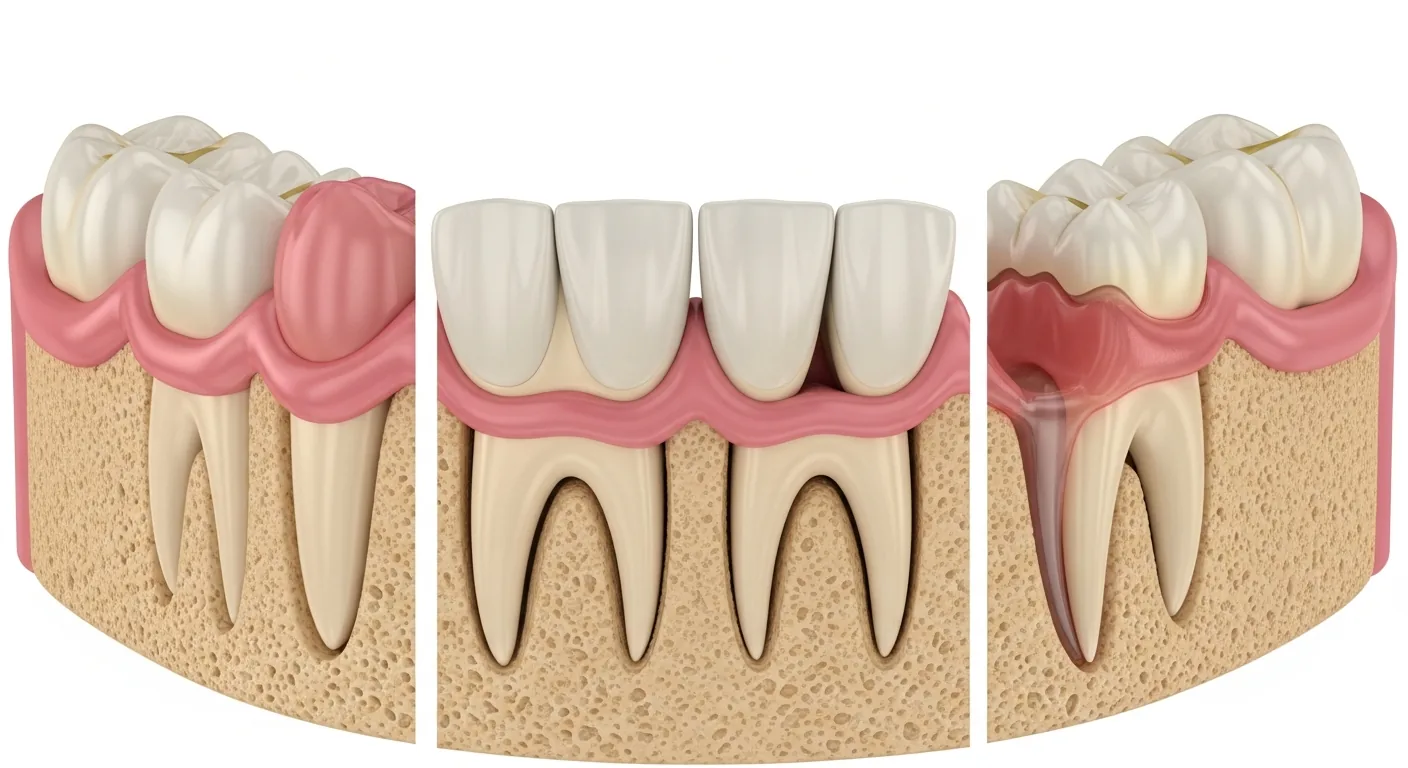
Illustration of bone loss in periodontitis

Periodontitis Risks

Left untreated, periodontitis can lead to loosening of teeth and tooth loss - early action is worthwhile.
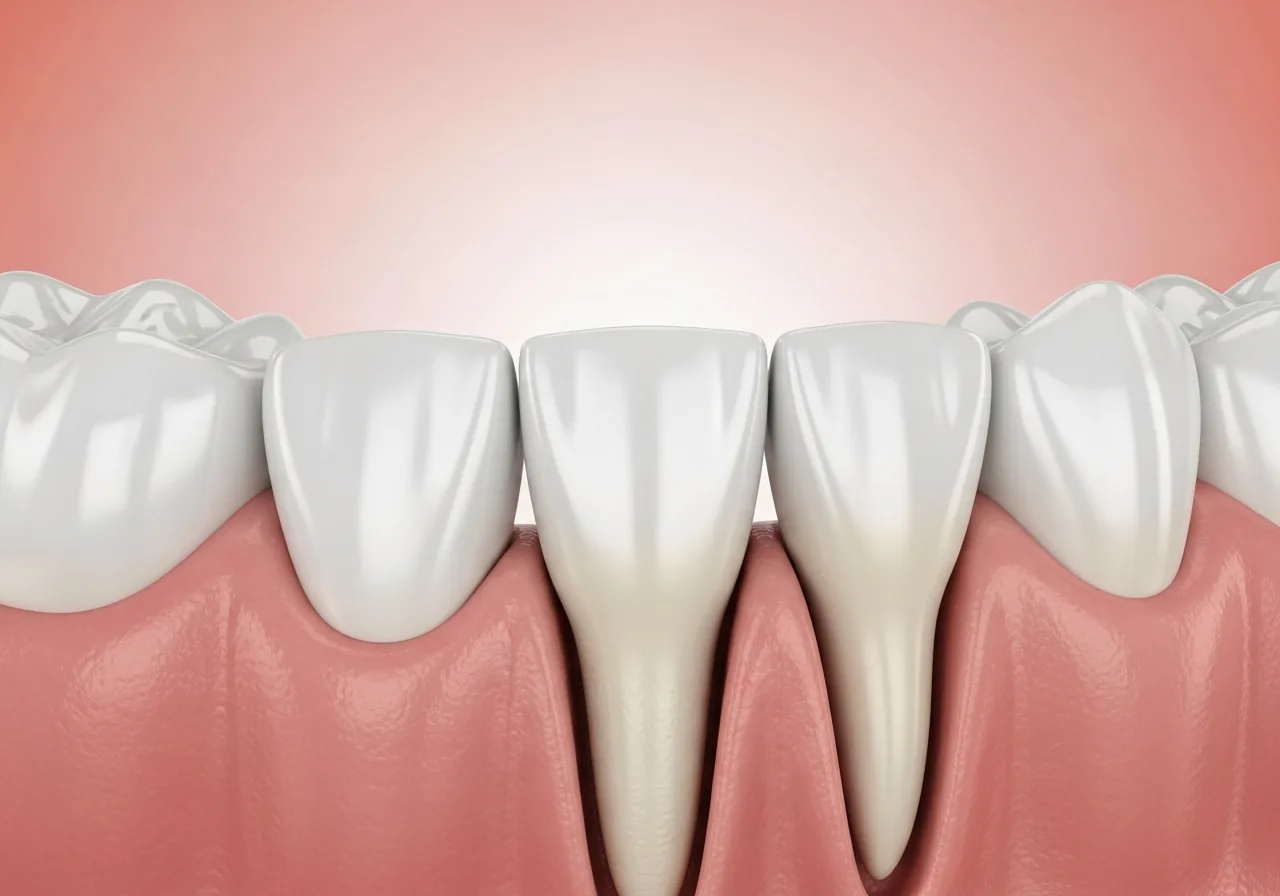
Regeneration of gum tissue

Regeneration

In cases of advanced tissue loss, regenerative methods can restore some of the lost tissue.

The Most Important Facts at a Glance

  • Periodontitis is one of the most common causes of tooth loss in adulthood.
  • Every treatment begins with initial therapy: a thorough cleaning of the periodontal pockets.
  • In cases of advanced bone loss, regenerative methods can restore some of the lost tissue.
  • Regular aftercare is crucial to prevent a renewed outbreak of the disease.

Frequently Asked Questions

What is the difference between gingivitis and periodontitis?
Gingivitis is a superficial, usually reversible inflammation of the gums. If it spreads further and affects the jawbone, it is called periodontitis.
How do I recognise early-stage periodontitis?
Typical signs are bleeding gums, redness, bad breath and receding gums. If you notice these symptoms, you should arrange an examination promptly.
Is periodontitis treatment painful?
Cleaning the periodontal pockets is usually performed under local anaesthetic and is well tolerated. After treatment, the gums may be temporarily sensitive.
Can periodontitis be fully cured?
Periodontitis can be treated well and its progression stopped, but a complete cure in the sense of restoring the original condition is not always possible. Regular aftercare is important.

This might also interest you