

Panoramic X-ray with wisdom teeth marked in red

Dentoalveolar Surgery: Surgical Procedures with Experience and Calm

From wisdom tooth removal to apicoectomy - we plan every procedure based on precise diagnostics and rely on gentle methods with few complications.

Book an appointment(030) 333 111 90
Online appointmentRequest online now

Surgical Procedures with a Clear Treatment Concept

Dentoalveolar surgery covers operative procedures on teeth, tooth sockets and jawbone. This includes, among other things, the removal of teeth and wisdom teeth, apicoectomy to preserve root-treated teeth, and periodontal surgical measures.

We rely on digital imaging methods such as digital volume tomography (CBCT) to precisely plan every procedure in advance and minimise risks.

Our approach at a glance:

  • Thorough diagnostics and information before every procedure
  • Minimally invasive surgical techniques with few complications
  • Anaesthesia suited to the situation - from local to gently sedated
  • Clear aftercare instructions for smooth healing

Our services include

An overview of the most important treatment areas of dentoalveolar surgery.

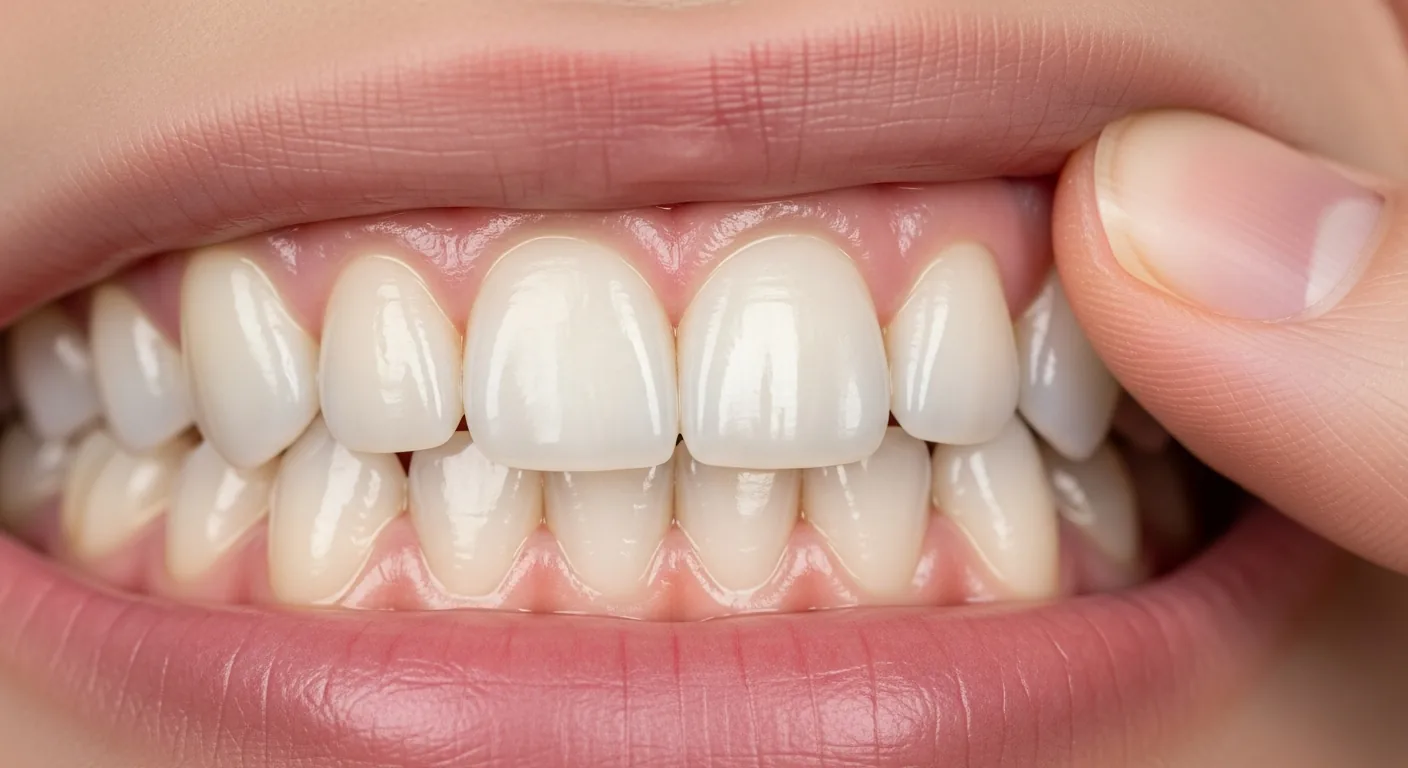
Close-up of a gum examination

Periodontology

Treatment of gum inflammation and periodontitis to preserve your teeth and jawbone.

Learn more
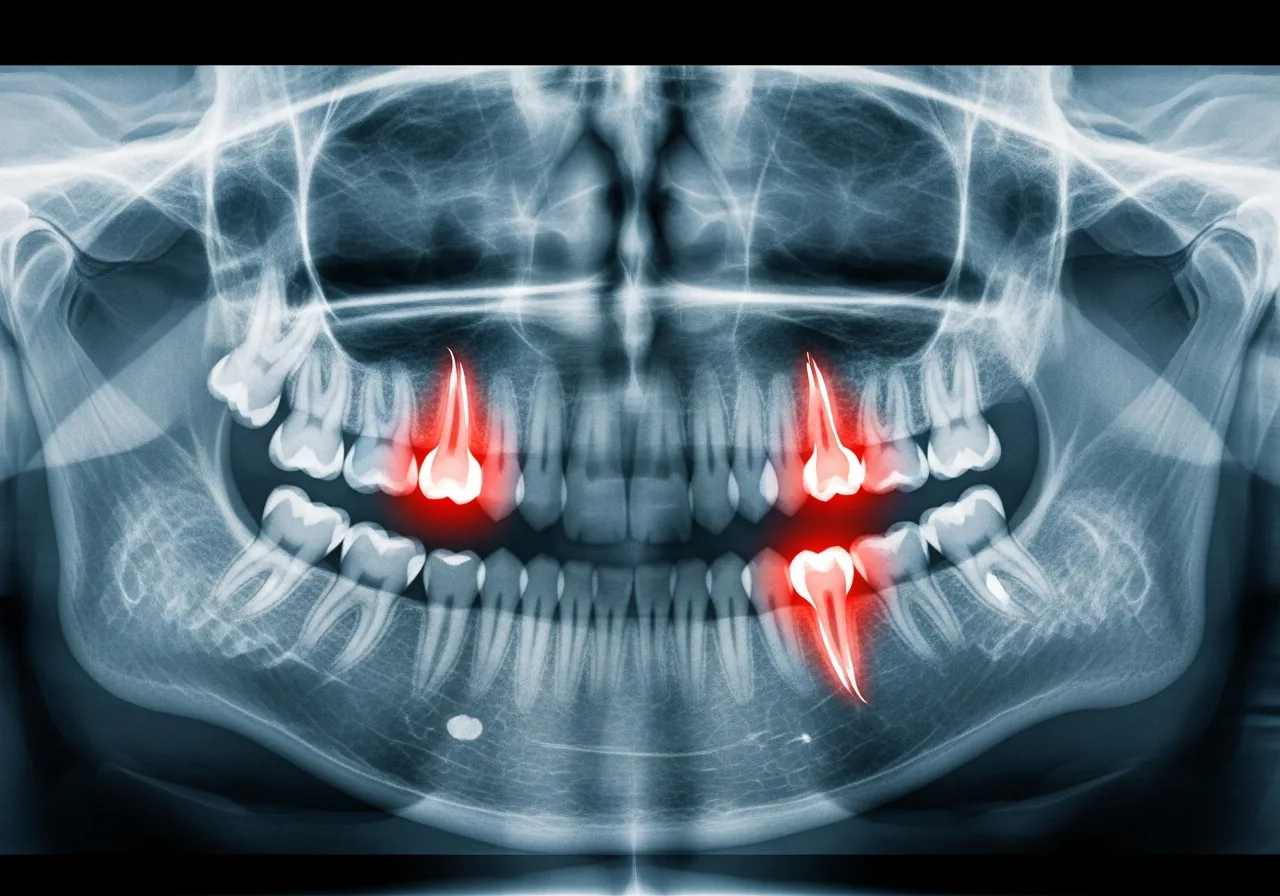
Panoramic X-ray with marked wisdom teeth

Surgical Tooth Extraction

Gentle removal of teeth and wisdom teeth, even in complicated positions.

Learn more

Dentist discussing an X-ray with a patient

Apicoectomy

Preserving an inflamed, root-treated tooth by surgically removing the root tip.

Learn more
Surgical Procedures, Carefully Planned

We take time for every diagnosis and explain each treatment step to you clearly.

Book a consultation
100%
Individual preliminary examination
4
Core Surgical Areas
1
Team with Surgical Experience

The Most Important Facts at a Glance

  • Dentoalveolar surgery covers surgical procedures on teeth, tooth sockets and jawbone.
  • The most common procedures include the removal of teeth and wisdom teeth as well as apicoectomy.
  • Periodontal surgical measures help preserve teeth in cases of advanced periodontitis.
  • Every procedure is individually planned using digital imaging.
  • Anaesthesia is adapted to the respective situation, ranging from local to gently sedated.

Frequently Asked Questions

When is a surgical tooth extraction necessary?
For example, in the case of severely damaged, deeply fractured or unfavourably positioned teeth, as well as wisdom teeth that cannot erupt normally.
What happens during an apicoectomy?
The inflamed root tip of an already root-treated tooth is surgically removed to preserve the tooth and heal the inflammation in the jawbone.
How does periodontitis treatment work?
First, the severity is diagnosed, followed by thorough cleaning of the periodontal pockets and, if necessary, surgical measures to regenerate the tissue.
How long does recovery take after a surgical procedure?
This depends on the extent of the procedure. Smaller procedures usually heal within a few days, while larger operations may take a little longer. We inform you individually.
Can I be sedated during treatment?
Yes, for larger procedures or fear of treatment, we offer gentle sedation methods that make the procedure noticeably more relaxed.